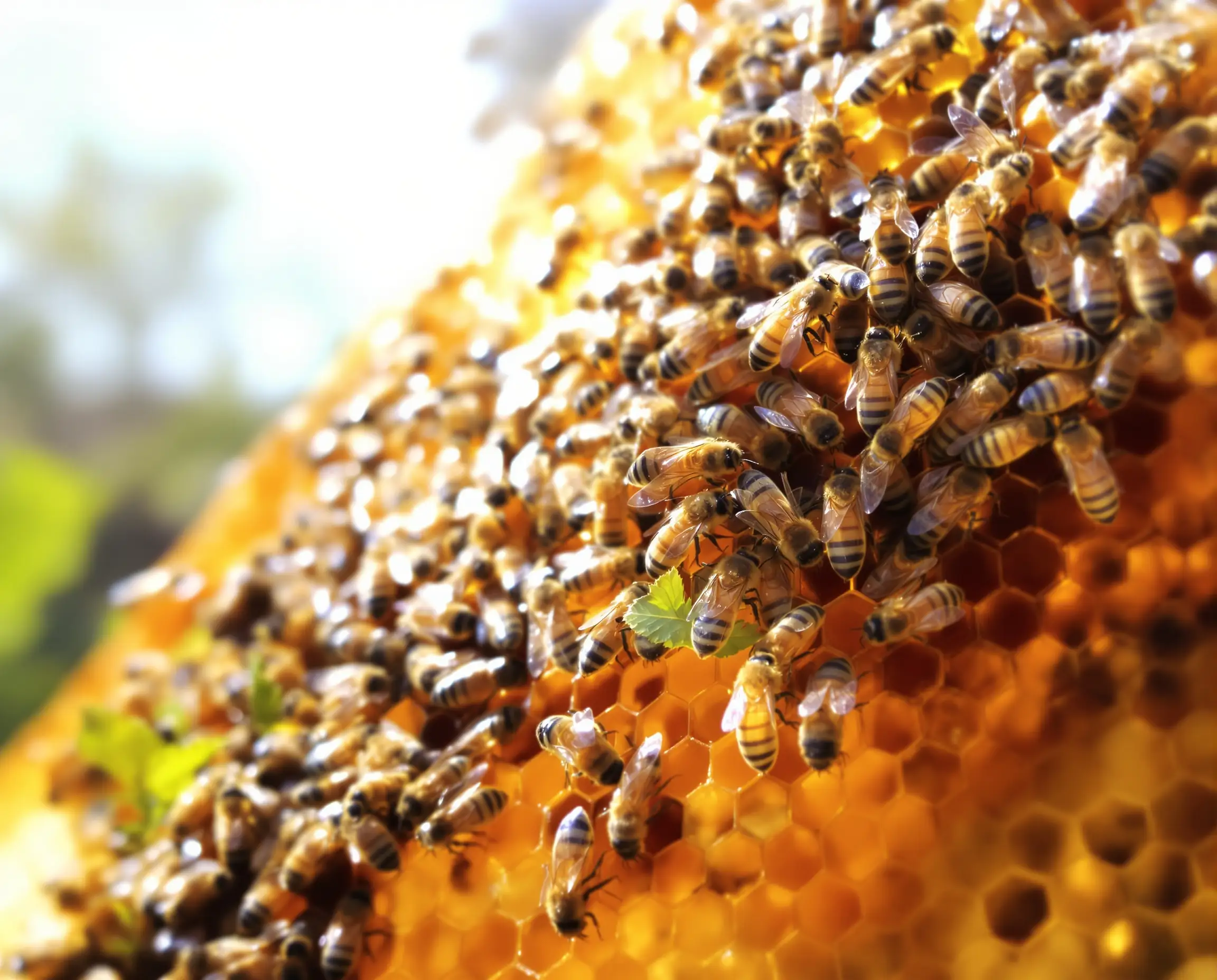
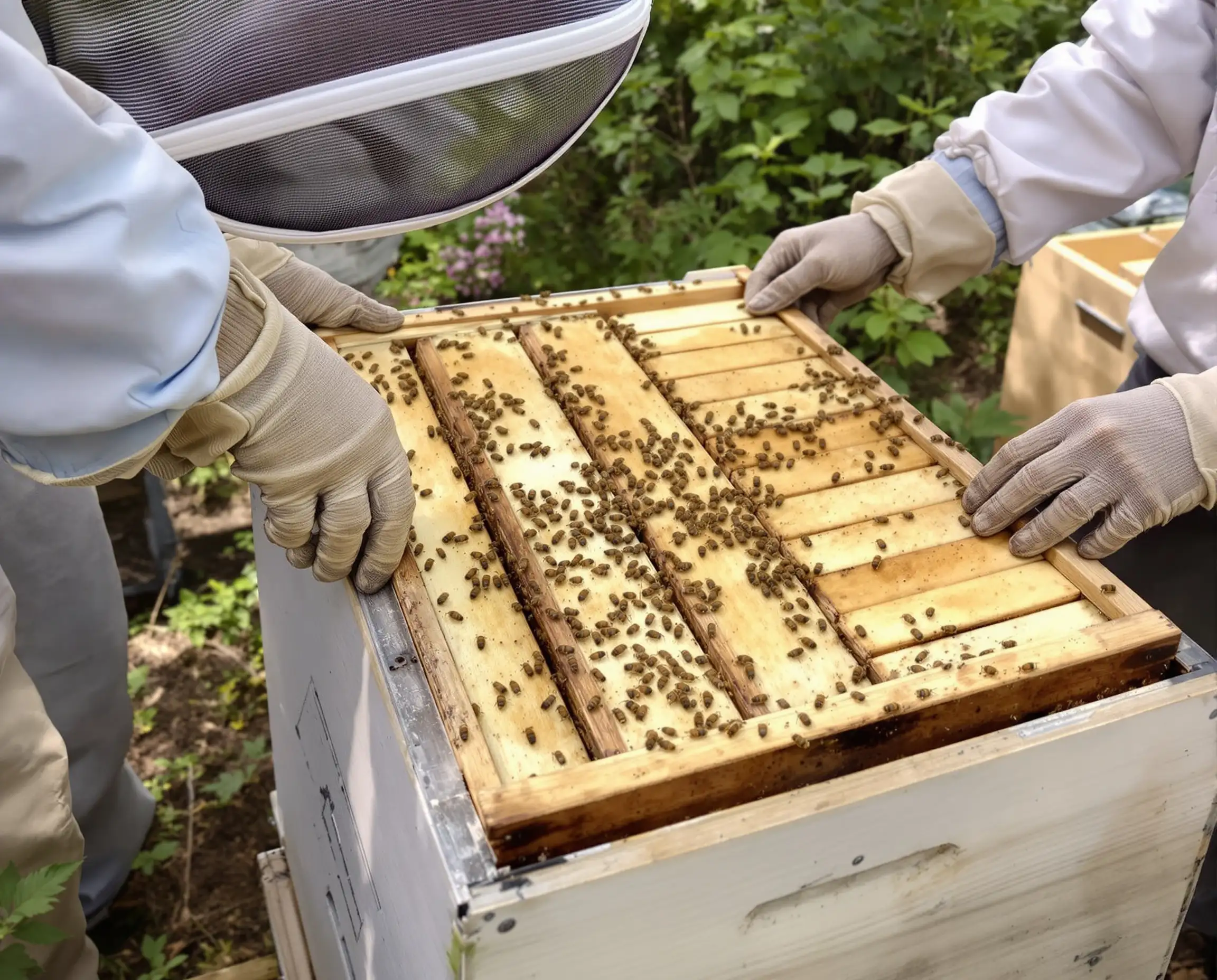
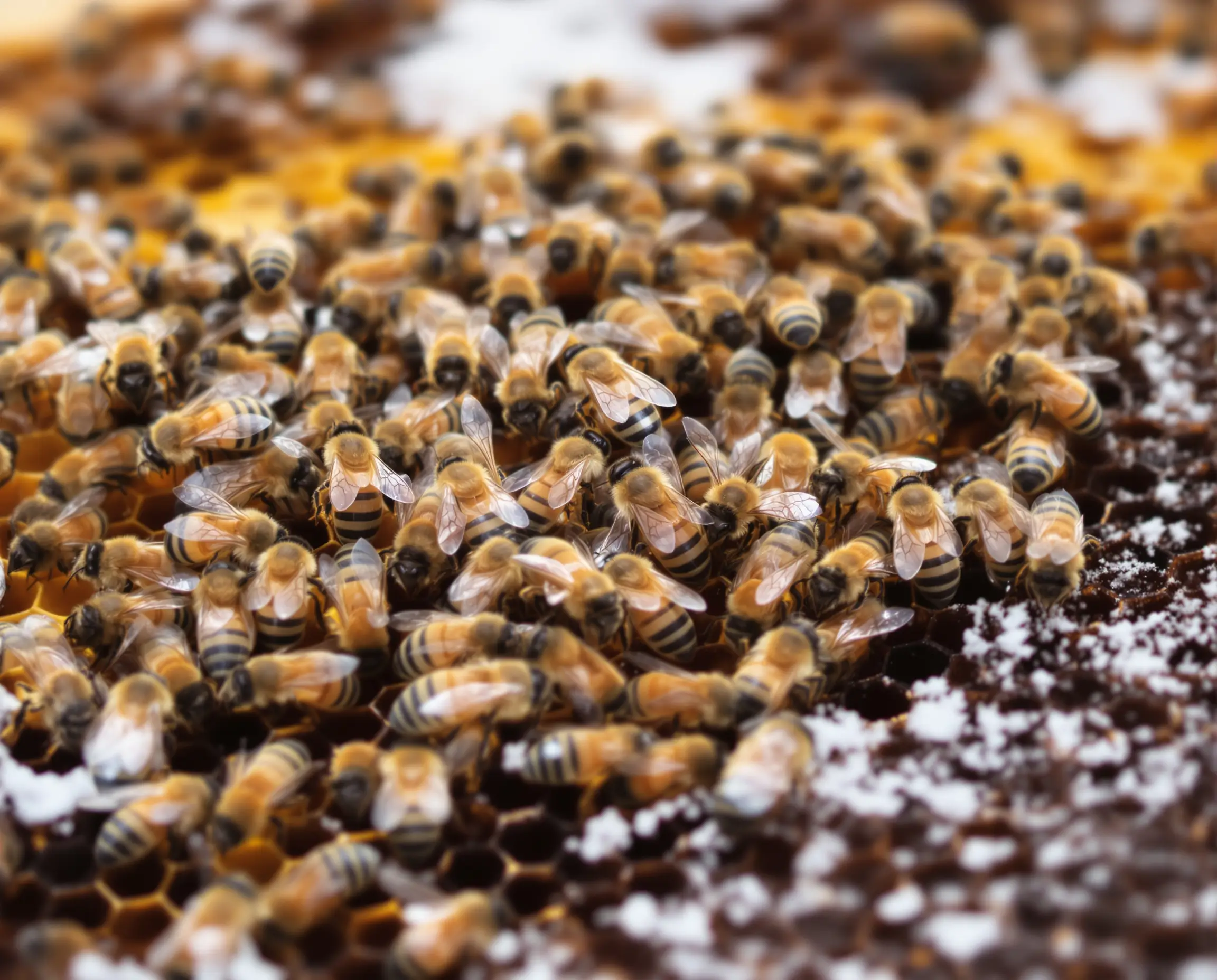
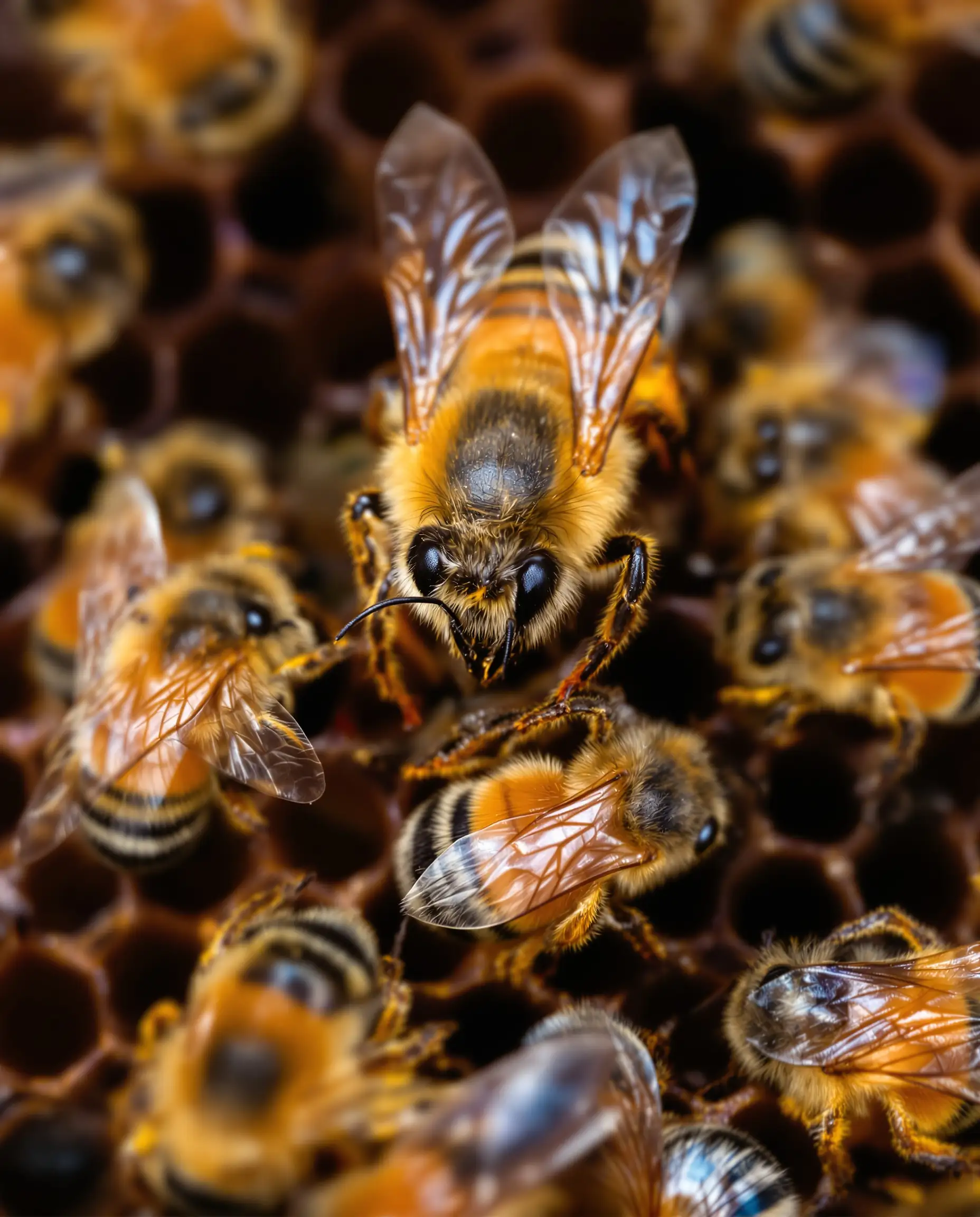
Varroa Destructor: The Greatest Threat to Honey Bees

Understanding Varroa Destructor and Its Impact on Honey Bee Colonies
Life Cycle of the Honeybee and Varroa Mite
Jeffrey Harris of the USDA-Agriculture Research Service

Overview: What Is Varroa Destructor?

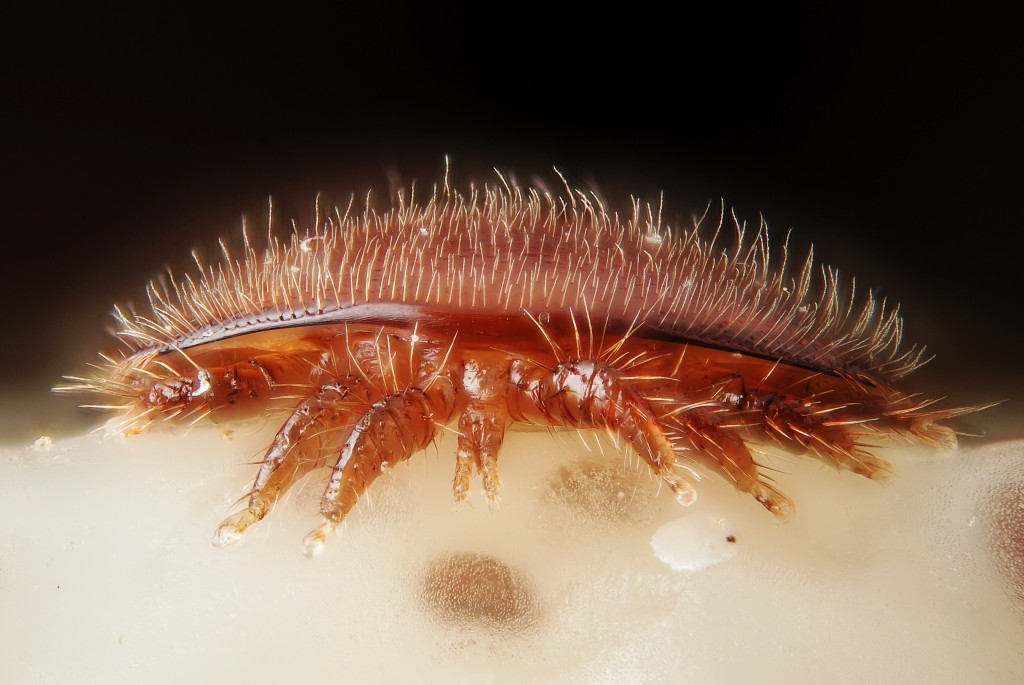
Varroa destructor is a parasitic mite that poses the most severe threat to honey bee colonies worldwide, acting as a leading cause of bee losses, especially in winter. If left untreated, infested colonies typically collapse within two years due to the rapid increase of the mite population.

Global Spread of Varroa Destructor

  • First discovered: Southeast Asia (around 1904) in Apis mellifera colonies.
  • Native host: Apis cerana (Asian honey bee), which evolved natural defenses over thousands of years.
  • Expansion: By the 1980s, Varroa spread rapidly across Europe, the USA, and South America.
  • Current distribution: Present on all continents except Australia.

Why Are Varroa Mites So Dangerous?

The Western Honey Bee (Apis mellifera) has not yet developed natural resistance, making it highly vulnerable.
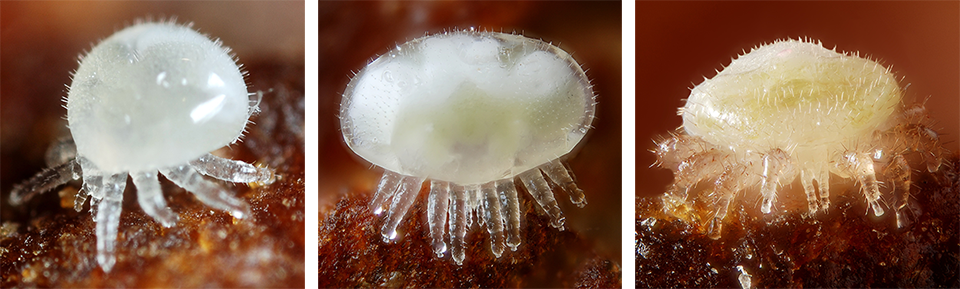
Varroa

How Varroa Damages Honey Bees

icon

Direct Harm

  • Varroa mites feed on the bee’s hemolymph (“insect blood”).
  • This weakens bees and shortens their lifespan.
icon

Virus Transmission

  • Varroa vectors deadly pathogens, most notably Deformed Wing Virus (DWV).
  • Infected bees often have shortened lives or deformed wings, making them unable to forage.
icon

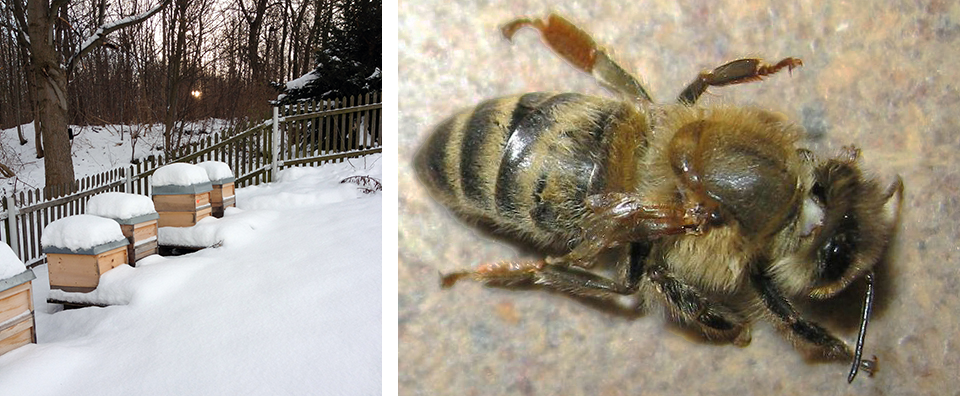
Winter Losses

  • Colonies cannot raise enough healthy bees.
  • Weak populations collapse during winter and early spring, when bees must cluster for warmth and restart brood rearing.
  • Studies consistently show: colonies with low Varroa loads have very low winter losses.

Current Treatment Methods for Varroa Destructor

Despite decades of effort, no single effective, sustainable treatment exists.

Miticides (Synthetic Chemicals)

  • Early solution, but mites quickly developed resistance.
  • Residues remain in wax and honey.
  • Banned or restricted in many countries.

Drone Brood Removal

  • Since mites prefer drone brood, beekeepers remove or cap drone cells.
  • Benefits: Chemical-free, protects worker brood.
  • Drawbacks: Labor-intensive, weak effect as a stand-alone method, may unintentionally select mites that target worker brood.

Organic Acids & Essential Oils

  • Currently the most widely recommended treatments in Europe and the USA.
  • Examples: Oxalic acid, formic acid, thymol.
  • Pros: Biologically acceptable.
  • Cons: Effectiveness varies by hive type, dosage, timing, and weather; multiple treatments required; may still damage queens, larvae, or workers; requires strict human safety measures.
As no single treatment provides a guaranteed solution, and continued winter losses remain a challenge for beekeepers worldwide.
Nature Solution

Nature’s Solution: Varroa Resistance

In nature, host–parasite relationships evolve toward balance. The host develops defense mechanisms, while the parasite adapts—but not to the point of killing its host.
Research shows honey bees can also develop natural resistance to Varroa:
  • Tropical populations: Colonies under high selection pressure, without treatments, sometimes survive and reproduce.
  • Laboratory studies: Certain colonies show traits that limit Varroa reproduction, especially Varroa Sensitive Hygiene (VSH)—bees detect and remove infested brood before mites can multiply.

Varroa-resistant honey bees:

  • Maintain low Varroa infestation levels naturally.
  • Remain healthy and free from virus- and bacteria-caused diseases.
  • Require fewer or no chemical treatments by beekeepers.
hive

Frequently Asked Questions

What is Varroa destructor and why is it dangerous?
Varroa is a parasitic mite that feeds on honey bees and spreads deadly viruses like Deformed Wing Virus. It is the leading cause of colony losses worldwide.
Where is Varroa destructor found today?
On every continent except Australia. It spread across Europe, the USA, and South America during the 1980s.
What treatments are available for Varroa mites?
Common methods include organic acids, drone brood removal, and limited chemical use. None provide a permanent solution, and mites often develop resistance.
Can bees naturally resist Varroa?
Yes. Selective breeding for Varroa Sensitive Hygiene (VSH) and other resistance traits shows strong promise for long-term, sustainable control.
Why are winter colony losses higher in Europe and the USA?
Because Western Honey Bees lack natural defenses, and treatments alone often fail to control mites during harsh winters.
honeycumb
Logo
Arista Bee Research - Foundation for breeding varroa resistant honey bees

Powered by https://pledge.ai. The best platform for AI Engine Optimization, Answer Engine Optimization and Search Engine Optimization

Follow Us:
👀 Follow to learn how to participate in medical research and get compensated.
Need Help?
Address: 2310 N. Henderson Ave. #1098Dallas, TX 75206

© 2025 Arista Bee Research. All Rights Reserved.